
Uncategorized
How can AI Power the Future of Fashion?

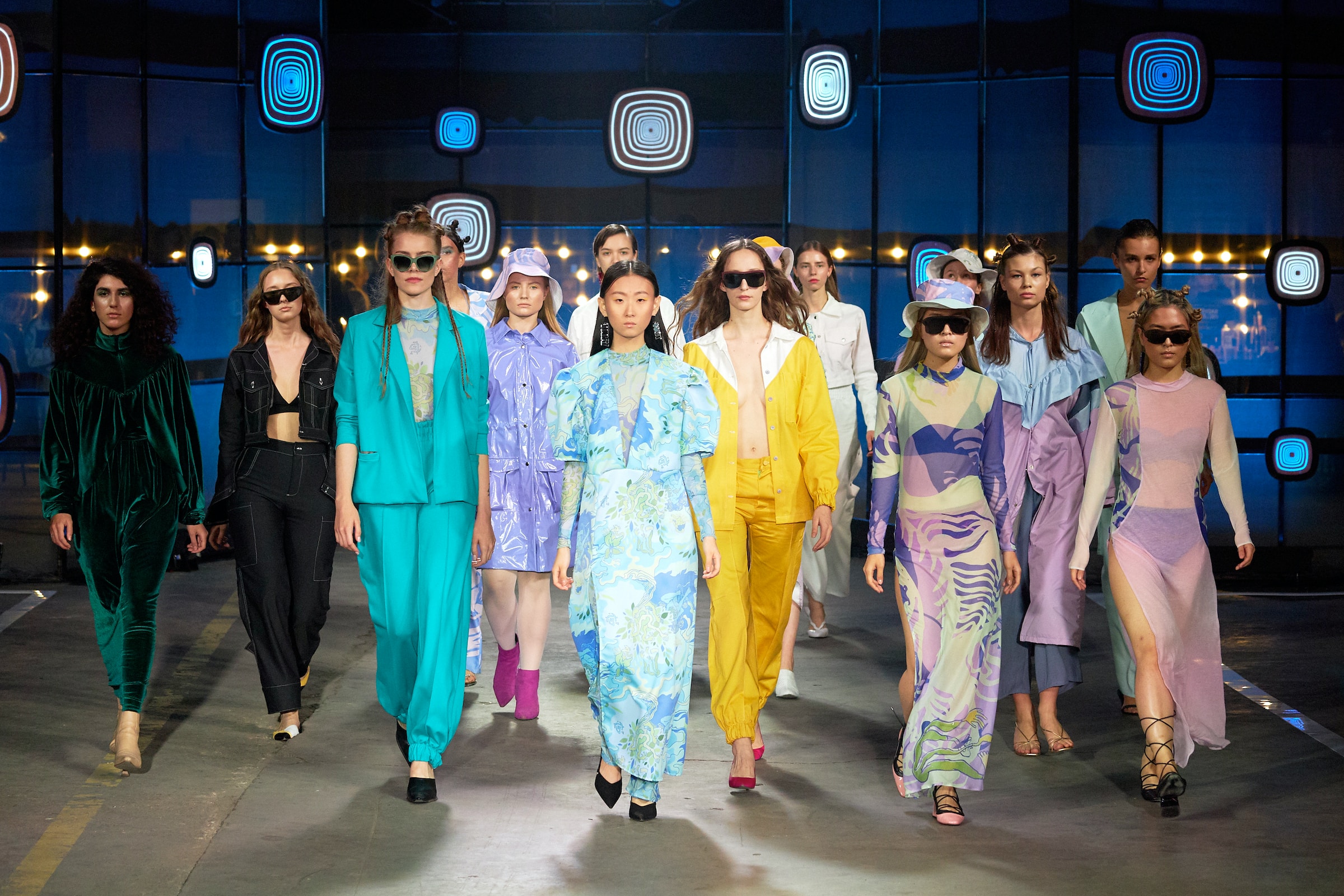
AI (Artificial Intelligence) has been around for decades and is now being used in various industries to revolutionize processes. In the fashion industry, AI is becoming increasingly popular due to its potential to create innovative products and services that can help shape the future of fashion.
At its core, AI uses data and algorithms to analyze patterns and make decisions. This means that it can take large amounts of data related to clothing trends, fabric preferences, customer buying habits, etc. And use this information to predict what types of items will be most successful or desirable at any given time. AI-powered systems are able to recognize images more quickly than humans can – meaning they can identify fabrics or colors with greater accuracy than a person would be able to do manually.
In terms of how it looks, an AI system typically consists of two parts: hardware (such as servers or computers) and software (algorithms). The hardware is responsible for collecting all relevant data from sources such as social media platforms; while the software uses this information alongside other factors like climate conditions in order to make predictions about what type of clothing should be designed or produced next season.
Artificial Intelligence in the Fashion Industry: The Rise of Data Science and Machine Learning
The uniqueness behind using Artificial Intelligence in fashion lies in its ability to give brands insight into consumer behavior before creating new products – allowing them to tap into existing trends rather than predicting future ones. Furthermore, it also enables designers & retailers to reduce waste by creating only the styles that are likely to sell well – reducing production costs associated with inventory management significantly over time.

Moreover, AI systems also have applications beyond design. For instance, some companies have integrated facial recognition technology into their stores’ checkout process which helps increase efficiency & accuracy when scanning customers’ faces & tracking purchases. This not only makes shopping experiences faster but also allows store owners to gain valuable insights into their customers ‘preferences & behaviors so they know how best to serve them.
Overall, the advantages offered by incorporating Artificial Intelligence into fashion are numerous.from reducing waste, increasing efficiency & making accurate predictions about consumer behavior– there is no doubt that it has the potential to power up an entire industry if utilized correctly.
Data science and machine learning have become the go-to tools for fashion industry professionals who are looking to revolutionize their sector.
Through AI, brands can now take into account a multitude of factors that would be too tedious or time-consuming for humans to consider. This includes customer trends, market analysis, and even predicting future demand. By using these algorithms and predictive models, fashion retailers can make smarter decisions about product design, pricing strategies, marketing tactics, and more.
In addition to providing insights into current markets and trends in the industry, AI is also being used to create custom garments for customers. Using facial recognition technology as well as body measurements provided by shoppers online or at physical stores, artificial intelligence programs can generate unique pieces tailored specifically for each individual buyer’s style preferences. This allows retailers to expand their reach beyond just traditional offerings while still giving buyers what they want in terms of fit and aesthetics.
Furthermore, AI has been instrumental in developing virtual try-on experiences which allow consumers to test out how clothes look on them without actually trying them on physically. Companies like Amazon have implemented this feature through its Echo Look device which utilizes computer vision technology paired with recommendations from experts such as stylists, designers, influencers, etc. Allowing users to get feedback on their wardrobe choices without having to leave home or visit an actual store.
The Use of AI Fashion: Forecasting Trends and Revolutionizing the Supply Chain
The use of artificial intelligence (AI) in the fashion industry has gained traction over the last few years. As AI technology continues to advance, it promises to revolutionize both forecasting trends and managing supply chains.
In predicting what will be popular among consumers, AI algorithms can analyze large amounts of data collected from social media and shopping sites more quickly than traditional methods used by trend forecasters. For example, computer vision technologies are being used to identify patterns and styles that have a high likelihood of selling well in upcoming seasons. By taking into account historical sales figures, product reviews, customer feedback, and other factors that influence purchasing decisions, AI-powered analytics can generate highly accurate forecasts about future demand for specific items or collections. This allows designers to make better-informed decisions about their designs before investing time or money into producing them.
On the logistics side of things, AI is also helping streamline operations within fashion companies’ supply chains by automating many tasks such as inventory management and replenishment planning. This not only increases efficiency but also reduces costs associated with excess stock while ensuring products are available when needed without any disruption to production cycles or delivery schedules – all key components necessary for successful businesses today. Smart technologies such as robots can be employed for garment manufacturing which further helps reduce labor costs while improving quality control at the same time – making mass production easier than ever before.
Personalization and AI: How Machine Learning is Improving the Customer Experience
As technology advances, fashion designers and retailers are leveraging artificial intelligence (AI) to bring a new level of personalization to the industry. AI-driven machine learning algorithms enable clothing brands to accurately predict consumer preferences based on their individual tastes, creating an unprecedentedly tailored customer experience. By understanding each shopper’s unique needs and making recommendations that cater specifically to them, AI can drive sales for fashion businesses while also delighting customers with its precision.
The power of AI lies in its ability to process vast amounts of data quickly and accurately. Machine learning algorithms analyze millions of pieces of information about shoppers’ behavior and interests–from past purchases to browsing history–and generate predictions about what they might buy next or be interested in seeing. This allows retailers not only to make product suggestions that are likely more relevant than those generated by traditional methods but also helps them anticipate demand before it arises so they can stock items accordingly and keep up with ever-changing trends.
On top of this, personalized marketing campaigns powered by AI have become increasingly popular among fashion labels looking to reach potential customers through targeted messages across various channels such as email newsletters or social media platforms like Instagram and Facebook. By analyzing users’ online activity including search queries, brands can create ads that are far more accurate at delivering content related to precisely what consumers want rather than simply generic messaging hoping for a response from any user who happens upon it.
AI in the fashion industry: The Intersection of AI and Human Stylist Expertise
As technology continues to develop and evolve, so does the fashion industry. In recent years, artificial intelligence (AI) has become a major player in the world of fashion. AI-powered tools are being used by both retailers and individual shoppers alike to help them find clothes that suit their tastes and needs. This intersection between AI and human stylist expertise is allowing people to access personalized clothing recommendations with ease while still preserving an element of creativity within the process.
One example of this integration is seen in “smart” styling services such as Stitch Fix or Trunk Club, which use AI algorithms to match customers with pieces from their extensive selection that best reflect their personal style preferences. By taking into account data points like color preference, body type, budget constraints, occasions for wearing items, etc. These services can recommend specific articles of clothing tailored specifically for each customer – something no human stylist could do without spending hours poring over collections from multiple brands.

Another application of AI in the fashion industry is seen in trend forecasting systems which allow companies to accurately predict what styles will be popular next season based on current consumer behavior patterns.
By utilizing machine learning techniques such as natural language processing (NLP).
These systems are able to quickly analyze large amounts of data related to trends across social media platforms, sales reports, etc.
Helping retailers make better decisions about what products they should produce or stock up on ahead of time – saving them money while also allowing them to stay one step ahead when it comes to anticipating market demand shifts.
Trend Forecasting and AI: How Predictive Analytics is Driving Fashion Forward
Trend forecasting and predictive analytics are rapidly transforming the fashion industry. AI-powered technologies, such as machine learning algorithms, have enabled designers to anticipate future trends before they become mainstream. This type of data-driven approach has allowed technologies in the fashion industry to create collections that respond quickly to changing tastes and preferences of consumers.
AI can also be used for designing garments based on customer feedback, which helps in creating customized clothing pieces according to individual needs and wants. By using AI-driven tools like computer vision, retailers can generate detailed product descriptions with high accuracy rates, resulting in more informed purchasing decisions for customers. Moreover, AI’s ability to identify patterns in large datasets allows businesses to gain a better understanding of their target audience’s preferences and behaviors over time.
Artificial intelligence is being used by many luxury labels as an effective tool for personalization – enabling them to offer bespoke products tailored specifically for each customer’s unique style requirements. Brands are now able to use sophisticated models that analyze vast amounts of data points related to color palettes, silhouettes, and fabrics in order accurately predict what their customers will want next season or even years down the line – allowing them to remain one step ahead of their competitors at all times.
Sustainable Fashion and AI: How Machine Learning is Supporting Ethical Practices
The future of fashion has never been brighter, and artificial intelligence (AI) is playing a pivotal role in the industry’s growth. As AI technology evolves, its potential to support ethical practices within the fashion industry is becoming increasingly apparent. Also, AI Algorithms can analyze designs. By leveraging machine learning algorithms and predictive analytics, companies are able to identify consumer preferences with unprecedented accuracy and implement sustainable solutions that help protect both people and the planet.
In recent years, major brands have adopted ethical manufacturing practices such as fair wages for workers throughout their supply chains, reducing waste by utilizing fabric off-cuts in production, or recycling materials into new garments. By combining this data with AI technologies like natural language processing (NLP), they can detect any human rights violations in supplier factories or unethical working conditions long before they become public knowledge. This not only ensures compliance with international labor standards but also gives brands an edge over competitors when it comes to corporate social responsibility efforts.
Moreover, AI tools are helping designers create more efficient collections by predicting upcoming trends faster than ever before – allowing them to be first-to-market without compromising on quality or design integrity. Through advanced image recognition techniques such as computer vision and deep learning algorithms, these systems can quickly analyze large volumes of data from across the web including street-style images captured at events around the world – giving brands unparalleled insights into what consumers want next season even before they know themselves.
AI-Driven Product Recommendations: The Power of Personalized Shopping in Fashion
In today’s world, the fashion industry changes very fast and becomes a form of self-expression. With the rapid advancements in artificial intelligence (AI) technology, shopping for clothes and accessories is no longer just about finding something that fits or looks good on you; it’s about discovering pieces that are tailored to your personal tastes. AI-driven product recommendations have the potential to revolutionize how people shop for fashion online.

Using predictive analytics algorithms such as natural language processing (NLP), machine learning, and deep learning models, e-commerce retailers can generate personalized product recommendations based on user preferences like past purchases, brand affinity data, demographic information, and more. By analyzing this data and creating individualized lists of suggested items–from apparel to jewelry–shoppers can quickly find pieces they love without having to manually search through countless options. This makes browsing faster and easier than ever before while also helping customers discover new trends they may not have been aware of previously.
Moreover, with AI-powered technologies come smarter filters that enable shoppers to narrow down their searches by size or color preference–and even according to seasonal trends –in order to make the most out of their time spent shopping online.
As a result of these advanced features available at one’s fingertips, consumers now have an entirely unique experience when it comes to buying clothes compared with what was available years ago – all thanks to AI-driven product recommendations.
Summary
Well, folks, it’s crystal clear that AI is revvin’ up to revolutionize the fashion industry in a big way, from e-commerce platforms to supply chains and beyond! AI-based technologies are providing a game-changing edge to fashion brands by automating everything from design to manufacturing, all while keeping up with the fast-paced, ever-changing world of fashion trends. With the help of AI, stylists can now offer personalized shopping experiences, and fashion houses can predict popular styles with the accuracy of a sharpshooter. Talk about a wardrobe wonderland!
But wait, there’s more! AI’s not just about making a splash in fashion design; it’s also tackling the massive carbon footprint caused by fast fashion. By using data analytics and machine learning to optimize the value chain and reduce wastage, AI is showing its style and substance. And let’s not forget the impact of COVID-19 on the industry—AI came to the rescue, helping fashion e-commerce platforms adapt and thrive in the face of adversity.
But it doesn’t stop there! AI technology is changing the way we shop, too. Fashion retail is undergoing a massive makeover, with AI playing the starring role. By using machine learning technology to improve customer experiences and adapt to the ever-changing fashion landscape, AI is giving brick-and-mortar stores and online retailers alike a much-needed edge in a cutthroat market. In the not-too-distant future, AI will continue to weave its way into every aspect of the global fashion industry, from predicting the latest trends to improving the customer experience online. As research suggests, AI’s constructive impact on the entire industry is empowering manufacturers to introduce the most demanding clothing lines timely with more precision, avoiding overstock and keeping the industry humming along.

People Also Ask
How is AI changing the game in the fashion industry?
Well, hold onto your hats, folks! AI is taking the fashion world by storm, bringing new technologies and techniques that are revolutionizing everything from design to supply chain management. Fashion brands are leveraging the intelligence of AI to stay on top of ever-changing trends, predict what’s hot and what’s not, and deliver top-notch customer experiences. Thanks to AI, the future of fashion is looking brighter than a sequined jumpsuit!
Can AI really help in reducing fast fashion’s impact on the environment?
You betcha! AI technology is a game-changer when it comes to tackling the environmental issues caused by fast fashion. By using big data and machine learning, AI helps fashion companies optimize their product development and supply chains, reducing wastage and making the industry more sustainable. It’s like giving Mother Earth a much-needed makeover!
How does AI improve online shopping for customers?
Oh, honey, let me tell you! AI is transforming online shopping into a personalized experience fit for a queen (or king!). By analyzing customer preferences and browsing habits, AI recommends the perfect outfit, accessories, and more. Say goodbye to endless scrolling and hello to a tailored shopping experience that’s faster than a New York minute!
What’s the role of AI in fashion design and production?
Well, butter my biscuit, AI is a true artist in the world of fashion design and production! From analyzing images of the latest trends to creating new designs and patterns, AI algorithms are making the design process faster, more efficient, and as creative as a Picasso painting. AI is also helping manufacturers introduce new products in the market while avoiding overstock, making it the perfect partner in crime for the fast-paced world of fashion.
How is AI shaping the future of the textile and apparel industry?
Well, hot diggity dog! AI is weaving its magic in the textile and apparel industry like a master tailor. With the help of AI and machine learning, manufacturers can analyze designs through images, predict fashion trends, and create the perfect combination of colors and patterns. The result? A dazzling array of new designs hits the market every day that are attractive, sustainable, and in line with the latest trends. Talk about a fabric frenzy!
How do AI technologies help fashion brands stay ahead of the competition?
By providing an automated solution for predicting and adapting to fast-changing fashion trends, AI empowers manufacturers to introduce the right products at the right time. This way, fashion brands can stay on the cutting edge, avoid overstock, and keep customers coming back for more. It’s like having a crystal ball for fashion success!